Introduction
Daily commuting is an important part of working life. Employees travel between their homes, offices, meeting locations, and business centers. Choosing the right transportation can make these journeys easier and more comfortable.
Many commuters face transportation challenges every day. Traffic congestion, crowded buses, limited parking, and expensive taxi rides can affect their schedules. These challenges are common in busy cities like Delhi, Mumbai, Bangalore, and Hyderabad.
Vehicle rentals offer a flexible transportation option for people who need temporary access to a vehicle. Instead of purchasing a motorcycle, scooter, or car, commuters can rent one according to their requirements.
This option can benefit working professionals, students, business travelers, and temporary residents. They can select vehicles based on their travel distance, budget, and personal preferences.
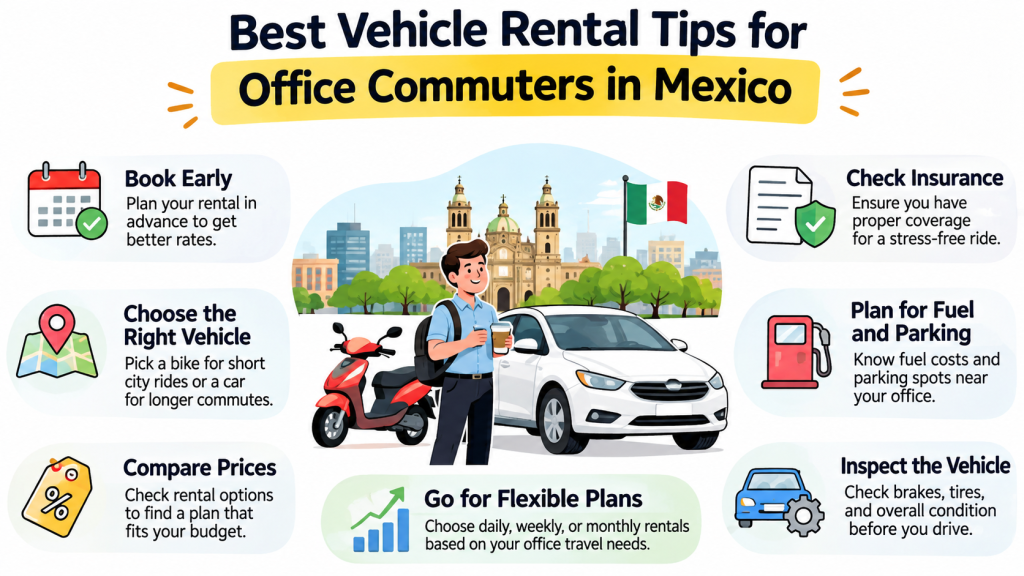
However, renting a vehicle requires careful planning. You should understand rental charges, inspect the vehicle, check insurance coverage, and review the agreement before booking.
This guide explains the best vehicle rental tips for office commuters. It also explores different vehicle categories, estimated rental costs, safety practices, and common mistakes.
Whether you need transportation for daily office travel or a temporary work assignment, these tips will help you make an informed decision.
Why Vehicle Rentals Are a Smart Choice for Office Commuters
Buying a vehicle may not suit everyone. Vehicle ownership includes several expenses, such as insurance, maintenance, registration, fuel, and parking.
These expenses can become difficult to manage, especially when you need transportation for a limited period.
Vehicle rentals provide another option. You can select a suitable vehicle without making a long-term purchase commitment.
Here are some important benefits of renting a vehicle.
Flexible Transportation for Busy Schedules
Office schedules often change because of meetings, client visits, and personal responsibilities.
Public transportation may not always match your working hours. A rented vehicle gives you more control over your departure time and travel route.
For example, an employee working in Bangalore may need to visit different technology parks during the week. Renting a scooter or motorcycle can make these journeys more convenient.
Lower Long-Term Financial Commitment
Purchasing a vehicle requires an initial investment and regular expenses.
These costs may include:
- Vehicle purchase payments.
- Insurance premiums.
- Registration charges.
- Regular servicing.
- Unexpected repairs.
- Parking expenses.
- Vehicle depreciation.
Renting allows commuters to pay for the period they need. This can suit people who do not want long-term ownership responsibilities.
Convenient Travel Between Different Locations
Some professionals travel between offices, customer locations, warehouses, and meeting centers.
A rental vehicle can help them manage multiple journeys throughout the day.
However, commuters should consider parking conditions, traffic restrictions, and local road regulations before choosing a vehicle.
Useful for Temporary Work Assignments
Professionals sometimes travel to another city for training, projects, or business meetings.
Purchasing a vehicle for a short assignment may not be practical.
A weekly or monthly rental arrangement can provide suitable transportation during the assignment.
Who Should Consider Renting a Vehicle?
Vehicle rentals can support different people with different travel requirements.
Understanding your needs can help you choose a suitable rental plan.
Working Professionals
Employees who travel regularly between home and office may benefit from temporary vehicle rentals.
A scooter can suit short city journeys. A motorcycle or car may provide greater comfort for longer routes.
Business Travelers
Business travelers often attend meetings, conferences, and customer appointments.
A rental car can provide private transportation and help manage multiple visits.
Students and Interns
Students attending colleges, internships, and training programs may require temporary transportation.
An affordable scooter or commuter motorcycle can be useful when the rental cost fits their budget.
Freelancers and Remote Workers
Freelancers often move between coworking spaces, client offices, and meeting locations.
A rental vehicle can provide flexibility without requiring a permanent purchase.
Tourists and Temporary Residents
Tourists and temporary residents may need transportation for several days or weeks.
They can compare available vehicles and select an option that matches their travel plans.
International visitors should always check local driving license requirements before booking.
Benefits of Renting a Vehicle for Daily Commuting
Choosing the right rental vehicle can improve your daily travel experience.
Here are some practical benefits worth considering.
Better Time Management
A rental vehicle allows commuters to plan their journeys independently.
You can select departure times and routes according to your schedule.
However, actual travel time still depends on traffic, weather, and road conditions.
Greater Travel Independence
Vehicle rentals reduce dependence on fixed public transportation schedules.
They can also make unexpected personal and professional journeys easier to manage.
Options for Different Budgets
Rental marketplaces may offer different vehicle categories and rental periods.
Commuters can compare economical scooters, standard motorcycles, premium bikes, and cars.
This helps them select transportation according to their budget.
Suitable for Short and Long-Term Requirements
Some commuters need transportation for one day. Others may require a vehicle for several weeks.
Different rental periods can support these requirements, depending on provider availability.
Types of Vehicles Available for Rental
Choosing the right vehicle is important for comfortable commuting.
Consider your daily distance, riding experience, road conditions, and parking facilities.
1. Scooters
Scooters are popular for short-distance urban travel.
They are generally easy to operate and convenient for navigating busy streets.
Main advantages:
- Suitable for short office journeys.
- Convenient for local errands.
- Easy to park in suitable spaces.
- Practical for individual commuters.
Scooters can work well for employees who travel short distances between residential areas and offices.
2. Commuter Motorcycles
Commuter motorcycles offer a practical option for regular transportation.
They can suit professionals who travel moderate distances every day.
Main advantages:
- Suitable for everyday commuting.
- Available in different engine capacities.
- Practical for city and suburban journeys.
- Offer different comfort and fuel economy options.
Before booking, check the motorcycle’s condition, mileage, and riding comfort.
3. Sports Bikes
Sports bikes attract riders who prefer performance-oriented motorcycles.
However, they may not suit every office commute.
Some models have aggressive riding positions and higher rental costs.
Best suited for: Experienced riders who want a performance-focused motorcycle for occasional travel.
4. Adventure Motorcycles
Adventure motorcycles can support longer journeys and different road conditions.
Their suitability depends on the motorcycle model, tyres, and route.
Main advantages:
- Comfortable riding positions on suitable models.
- Useful for longer journeys.
- Suitable for selected weekend trips.
- Offer different storage and touring options.
Commuters should check the vehicle’s weight and handling before booking.
5. Cruiser Motorcycles
Cruiser motorcycles focus on relaxed riding positions and comfortable long-distance travel.
However, larger models may feel difficult to handle in heavy traffic.
Best suited for: Experienced riders who prefer larger motorcycles and relaxed riding positions.
6. Electric Bikes and Scooters
Electric two-wheelers offer another option for urban transportation.
They can reduce fuel-related expenses when charging facilities are available.
Important considerations:
- Battery range.
- Charging availability.
- Charging duration.
- Battery condition.
- Replacement and breakdown policies.
Electric scooters may suit commuters with short daily routes and convenient charging access.
How to Choose the Right Vehicle for Your Office Commute
A suitable vehicle should match your daily transportation needs.
Do not select a rental only because it looks attractive or has a low advertised price.
Consider these important factors before booking.
Calculate Your Daily Travel Distance
Start by calculating the distance between your home and workplace.
Also include additional journeys for meetings, shopping, and personal activities.
A scooter may suit a short commute. A motorcycle or car may provide better comfort for longer distances.
Compare Complete Rental Costs
Compare the total rental expense instead of looking only at the daily price.
Check the following charges:
- Daily or monthly rental fees.
- Security deposits.
- Insurance costs.
- Fuel expenses.
- Delivery charges.
- Mileage restrictions.
- Late return penalties.
This will help you understand the actual cost of renting.
Check Riding and Driving Comfort
A comfortable vehicle can make regular commuting easier.
For two-wheelers, check the seat height, handlebar position, suspension, and vehicle weight.
For cars, consider passenger capacity, luggage space, air conditioning, and parking requirements.
Consider Parking Facilities
Parking can become difficult in busy commercial areas.
Before renting a car or motorcycle, check parking availability near your office.
A smaller vehicle may offer more convenient parking options where suitable spaces exist.
Select the Right Rental Duration
Choose a rental period that matches your schedule.
Daily plans may suit occasional transportation needs. Weekly and monthly plans may suit temporary work assignments.
Always compare the total cost of different rental periods.
Documents Required for Vehicle Rentals
Rental providers may request different documents based on their policies and local regulations.
Prepare the required documents before confirming your booking.
Valid Driving License
A valid driving license is essential for operating a rental vehicle.
Make sure your license covers the vehicle category you intend to rent.
International visitors should confirm whether their foreign license and International Driving Permit meet local requirements.
Government Identification
Providers may request an identity document for verification.
Accepted documents can vary according to the provider and renter’s status.
International travelers may need to provide their passport.
Address Proof
Some rental providers request residential or accommodation details.
This information may help them complete their verification process.
Ask the provider which documents they accept.
Security Deposit Requirements
Many rental companies collect a refundable security deposit.
The amount may depend on the vehicle model, rental period, and provider’s policies.
Before paying, understand the refund process and possible deductions.
Things to Check Before Renting a Vehicle
A proper inspection can prevent unexpected expenses and disagreements.
Never accept a rental vehicle without checking its condition.
Inspect the Vehicle Condition
Check the vehicle carefully before taking possession.
Pay attention to:
- Tyres and wheels.
- Brakes and suspension.
- Headlights and indicators.
- Mirrors and horn.
- Fuel level.
- Battery condition.
- Existing scratches and damage.
Take clear photographs of the vehicle before starting your journey.
Ask the provider to record existing damage in the rental agreement.
Understand the Fuel Policy
Ask whether the vehicle comes with a full fuel tank or a specific fuel level.
Some providers require renters to return vehicles with the same fuel level.
Understanding this policy can prevent additional charges.
Review Insurance Coverage
Insurance is an important part of vehicle rentals.
Ask the provider about coverage, exclusions, and damage responsibilities.
Check whether the agreement covers accidents, theft, and third-party damage.
Do not assume that every rental includes complete insurance protection.
Check Mileage Restrictions
Some rental providers offer unlimited mileage.
Others set daily or total distance limits.
Estimate your commuting distance before booking. Choose a plan that matches your expected usage.
Confirm Helmet Availability
Two-wheeler renters should confirm whether helmets come with the rental.
Check the helmet’s condition, size, and fit.
Always wear an appropriate helmet while riding.
Read the Rental Agreement
Review all rental conditions before signing.
Pay special attention to:
- Booking duration.
- Collection and return times.
- Cancellation rules.
- Deposit conditions.
- Damage responsibilities.
- Mileage limits.
- Travel restrictions.
- Breakdown assistance.
Ask the provider to explain any unclear terms.
Safety Tips for Office Commuters Using Rental Vehicles
Safety should always come before speed and convenience.
Rental vehicles may feel unfamiliar during your first few journeys. Take time to understand their controls and handling.
Follow Traffic Rules
Learn the local traffic rules before starting your journey.
Follow speed limits, traffic signals, lane markings, and parking regulations.
Never use your mobile phone while driving.
Wear a Proper Helmet
Motorcycle and scooter riders should wear approved helmets.
Fasten the chin strap and make sure the helmet fits correctly.
Passengers should also use helmets where required.
Avoid Overspeeding
Office schedules can become stressful during busy mornings.
Never increase your speed to compensate for delays.
Maintain a safe distance from other vehicles and drive responsibly.
Check Weather and Road Conditions
Rain, slippery roads, and poor visibility can increase accident risks.
Check local weather conditions before travelling.
Reduce speed when road conditions become difficult.
Keep Emergency Contacts Available
Save important contact numbers before starting your commute.
These may include:
- Rental provider.
- Roadside assistance.
- Insurance support.
- Local emergency services.
- Family members.
Keep your rental agreement and vehicle information accessible.
Cost of Vehicle Rentals in India
Rental prices depend on several factors. These include city, vehicle category, rental duration, season, and provider policies.
The following figures represent broad illustrative daily budgeting estimates for the Indian rental market. They are not verified live prices or confirmed MotoShare rates.
Average Daily Rental Price Ranges
| Vehicle Category | Estimated Daily Rental Cost |
|---|---|
| Scooters | ₹300–₹800 |
| Commuter Motorcycles | ₹400–₹1,000 |
| Premium Bikes | ₹1,000–₹3,000 |
| Adventure Bikes | ₹1,200–₹3,500 |
Actual prices may differ by location and vehicle availability.
Factors That Affect Rental Prices
Location: Rental prices may differ between Delhi, Mumbai, Goa, and smaller cities.
Vehicle Category: Premium and adventure motorcycles generally have higher rental charges.
Rental Duration: Daily, weekly, and monthly plans may have different pricing structures.
Seasonal Demand: Tourist seasons and local events can affect availability and prices.
Additional Services: Delivery, accessories, insurance upgrades, and other services may increase the final amount.
Ways to Save Money on Vehicle Rentals
Office commuters can reduce transportation expenses through careful planning.
- Compare multiple vehicles before booking.
- Select a vehicle according to your actual travel needs.
- Check weekly and monthly rental plans.
- Avoid unnecessary additional services.
- Review mileage restrictions.
- Return the vehicle on time.
- Follow the rental agreement carefully.
Common Mistakes First-Time Vehicle Renters Should Avoid
First-time renters sometimes overlook important details.
Avoid these mistakes to enjoy a smoother rental experience.
Booking Without Comparing Options
Do not select the first vehicle you find.
Compare rental prices, deposits, insurance, and additional charges.
A slightly higher daily price may sometimes include more useful services.
Skipping the Vehicle Inspection
Never assume that a rental vehicle has no existing damage.
Check its condition and record visible problems before accepting it.
Ignoring Rental Terms
Small agreement details can affect your total expenses.
Understand the cancellation policy, mileage restrictions, damage charges, and return conditions.
Choosing the Wrong Vehicle
A large motorcycle may not suit an inexperienced rider.
Similarly, a small scooter may not provide enough comfort for longer journeys.
Select a vehicle that matches your experience and daily route.
Forgetting Parking Expenses
Parking charges can increase your monthly transportation budget.
Check available parking facilities before choosing a vehicle.
Returning the Vehicle Late
Late returns may result in additional charges.
Plan your return journey and allow enough time for traffic delays.
Overlooking Insurance Conditions
Understand your responsibilities if the vehicle gets damaged or stolen.
Review the insurance terms before confirming the booking.
Vehicle Rental vs Public Transport vs Taxi
Office commuters can choose between different transportation options.
Each option offers different advantages. The right choice depends on travel distance, budget, schedule, and personal preferences.
| Comparison Factor | Vehicle Rental | Public Transport | Taxi |
|---|---|---|---|
| Cost | Depends on rental period and usage | Often economical for regular routes | Can become expensive with frequent trips |
| Convenience | Offers independent transportation | Depends on available routes | Convenient for direct journeys |
| Flexibility | High within rental conditions | Limited by routes and schedules | Depends on availability |
| Comfort | Depends on selected vehicle | Varies by service and crowd levels | Offers private transportation |
| Travel Experience | Allows personal route planning | Suitable for routine commuting | Offers door-to-door convenience |
| Best Use Cases | Temporary transport and flexible commuting | Budget-friendly daily travel | Occasional trips and business meetings |
When Should You Choose Vehicle Rentals?
Vehicle rentals can suit people who need transportation for a limited period.
They are useful for temporary assignments, extended visits, and flexible daily commuting.
When Is Public Transport a Better Option?
Public transport can suit commuters with convenient bus, metro, or train connections.
It can also reduce parking and fuel expenses.
When Should You Choose a Taxi?
Taxis work well for occasional journeys and airport transfers.
They are also useful when you do not want to drive.
However, frequent taxi bookings may increase monthly transportation expenses.
How MotoShare Supports Vehicle Rental Requirements
Choosing a suitable rental marketplace can simplify vehicle discovery.
MotoShare focuses on connecting renters with vehicle rental options through an online marketplace approach.
For Indian customers, MotoShare India is the relevant India-focused brand. MotoShare Mexico serves a separate market.
Here are some important platform capabilities and features that renters should consider.
Easy Online Booking
Online vehicle discovery can save time for busy commuters.
Users can explore available options and review rental information before contacting a provider or confirming a booking.
This can make the rental process more convenient.
Wide Range of Vehicle Options
Different commuters require different vehicle categories.
A useful marketplace should provide options such as:
- Scooters.
- Commuter motorcycles.
- Premium bikes.
- Adventure motorcycles.
- Cars.
This allows users to compare vehicles according to their requirements.
Transparent Pricing Information
Clear pricing helps renters plan their transportation expenses.
Before confirming a booking, review the rental amount, deposit, insurance conditions, and additional charges.
Always check the final payable amount.
Connections With Vehicle Owners
Peer-to-peer rental marketplaces can connect vehicle owners with people seeking temporary transportation.
Renters should review available provider information and vehicle details.
They should also confirm the rental agreement and vehicle documents.
Flexible Rental Periods
Different commuters need vehicles for different periods.
Some may require a vehicle for one day. Others may need it for several weeks.
Flexible rental arrangements can support these requirements, subject to provider availability.
Vehicle Discovery Across Indian Cities
India has different transportation requirements across its major cities.
MotoShare India can serve as a vehicle rental discovery option for users exploring locations such as:
Delhi: Suitable for exploring two-wheeler and car rental options for office travel and local journeys.
Mumbai: Useful for comparing transportation choices around residential and commercial areas.
Bangalore: Relevant for professionals travelling between technology parks and business districts.
Goa: Helpful for exploring scooters and motorcycles for local travel and tourism.
Jaipur: Suitable for comparing rental vehicles for city travel and sightseeing.
Pune: Useful for students, interns, and working professionals.
Hyderabad: Relevant for people travelling between residential areas and business locations.
Chennai: Helpful for exploring transportation options for professional and personal journeys.
Kolkata: Suitable for comparing vehicles for local commuting and city travel.
Actual vehicle availability, rental prices, and booking conditions depend on the location and individual providers.
Frequently Asked Questions
1. Is renting a vehicle a good option for office commuters?
Yes. Renting can suit professionals who need temporary transportation.
It offers flexibility without requiring long-term vehicle ownership. However, compare the complete rental cost with public transport and taxi expenses.
2. Can tourists rent a bike in India?
Yes. Eligible tourists can rent motorcycles and scooters in India.
They must meet the provider’s age, license, identity, and other requirements.
International visitors should check applicable driving regulations before booking.
3. Is an International Driving Permit required for foreign tourists?
Requirements depend on the visitor’s nationality, driving license, and applicable Indian regulations.
Some foreign visitors may need an International Driving Permit alongside their valid foreign driving license.
Check the current requirements before riding.
4. How much does bike rental cost in India?
Rental costs depend on vehicle type, city, and rental duration.
Indicative daily budgeting estimates include:
- Scooters: ₹300–₹800.
- Commuter motorcycles: ₹400–₹1,000.
- Premium bikes: ₹1,000–₹3,000.
- Adventure bikes: ₹1,200–₹3,500.
These figures are estimates rather than guaranteed rental prices.
5. Are helmets provided with rental bikes?
Some providers include helmets in their rental packages.
Others may charge separately or require renters to arrange their own helmets.
Confirm availability before booking.
6. Can I rent a bike without paying a security deposit?
Some providers may offer different deposit arrangements.
However, many rental providers collect refundable security deposits.
Check the deposit amount, refund timeline, and deduction conditions.
7. What happens if my rental vehicle breaks down?
Contact the rental provider immediately.
Follow their breakdown assistance instructions.
Check your rental agreement for repair responsibilities and roadside assistance.
Avoid arranging expensive repairs without provider approval.
8. Can I take a rental bike to another city?
Some providers permit intercity travel. Others restrict vehicles to specific areas.
Always obtain written permission before travelling outside the approved location.
Check mileage limits and additional charges.
9. Which vehicle is best for daily office commuting?
Scooters and commuter motorcycles can suit short and medium-distance journeys.
Cars may provide more comfort for longer trips, multiple passengers, or difficult weather conditions.
Choose according to your budget, route, and driving experience.
10. Is renting a scooter cheaper than taking a taxi?
It can be cheaper for frequent travel, depending on the rental period and usage.
However, consider fuel, deposits, insurance, parking, and additional charges.
Compare the complete transportation costs before deciding.
11. Can students rent motorcycles in India?
Yes, eligible students can rent motorcycles if they meet the provider’s requirements.
They should have the correct driving license and accepted identity documents.
They must also follow the rental agreement.
12. What should I check before returning a rental vehicle?
Inspect the vehicle with the provider before completing the return.
Check the fuel level and remove your personal belongings.
Take photographs of the final condition and request return confirmation.
Follow up on the security deposit refund if applicable.
Conclusion
Choosing the right rental vehicle can make daily commuting easier and more flexible. Office professionals, students, tourists, and business travelers can benefit from suitable rental arrangements.
However, a successful rental experience starts with proper planning. Compare prices, inspect vehicles, understand insurance coverage, and read rental agreements carefully.
Scooters and commuter motorcycles can suit short city journeys. Premium and adventure bikes may suit specific travel requirements. Cars can offer additional comfort for longer trips and group transportation.
Public transport and taxis also remain useful options. Your final decision should depend on your budget, daily distance, schedule, and personal preferences.
MotoShare provides a marketplace approach to vehicle discovery and rental connections. It can help users explore different transportation options according to their needs and location.
